How to Avoid Buying a Repossessed Vehicle in Australia
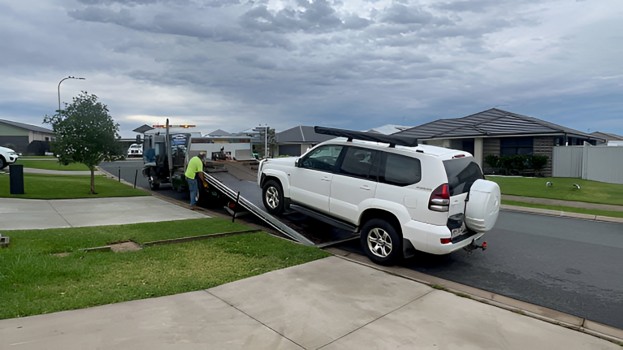
Buying a used car should be exciting, not risky. Yet some buyers discover too late that the vehicle still has finance owing and can be repossessed. At PPSR Asset Check, we help Australians check a vehicle’s history before they hand over any money. This guide explains how repossession risk arises, the warning signs to watch for and the simple steps that protect your purchase.
Key Takeaways
- A car with finance owing can be repossessed, even after you buy it.
- A PPSR check shows if a vehicle is encumbered, stolen or written off.
- Always match the VIN on the car with the paperwork.
- Search immediately before you pay, not days earlier.
- Keep proof of your search and purchase.
Why Repossession Risk Exists
Many vehicles in Australia are bought with finance. When a lender provides a car loan, it usually registers a security interest over the vehicle. That interest stays attached to the car until the loan is paid in full.
If the borrower stops paying, the lender can take the car back. According to the Redfern Legal Centre, a lender with a security agreement can generally repossess a vehicle after sending a default notice that gives the borrower at least 30 days to fix the problem.
The risk for buyers arises when the owner sells the car without paying out the loan. The finance company may still have a valid claim on the vehicle, even though it now sits in your driveway.
Car loan stress has also been in the spotlight. Consumer Action Law Centre highlighted ASIC findings that, in a review of over 250 repossessed car loans, nearly 90 per cent of consumers still owed more than half the original loan price.
What Happens If You Buy a Car With Finance Owing?
If a security interest is registered against the car and you did not check, you could lose the vehicle and the money you paid. You may be left to pursue the seller for compensation, which can be slow and costly.
The law offers some protection for buyers who search correctly. A buyer of a motor vehicle generally takes it free of a security interest if a PPSR search by serial number, carried out immediately before the sale, would not have disclosed a registration.
However, this protection has limits. The same article notes that these provisions do not help someone who buys stolen goods when the true owner makes a claim.
Warning Signs of a Risky Vehicle
Some sellers are honest but unaware of the problem. Others deliberately hide it. Watch for these red flags:
- A price well below market value
- A seller who pushes for a quick sale
- Requests for cash only or unusual payment methods
- Missing or incomplete registration papers
- A seller whose name does not match the registration
- Reluctance to let you inspect the car or check the VIN
- A meeting location that is not the seller’s home
Scams also target used car buyers. Scamwatch reported more than 1,000 car related scam reports and over $1 million in losses in 2020, with losses continuing to climb in early 2021.
How to Avoid Buying a Repossessed Vehicle
1. Get the VIN and Check It Carefully
The Vehicle Identification Number, or VIN, is the key to an accurate search. A registration number alone can change, but the VIN stays with the vehicle.
Motor vehicles are treated as serial numbered goods under the PPSA. The VIN is the preferred identifier, followed by the chassis number or manufacturer’s number if there is no VIN.
Before you search:
- Find the VIN on the compliance plate, windscreen and registration papers
- Make sure all VINs match exactly
- Look for signs of tampering, scratches or loose plates
- Photograph the VIN for your records
2. Run a PPSR Check Before You Pay
A PPSR check report reveals whether a security interest is registered against the vehicle. It can also show if the car has been reported stolen or written off.
Timing matters. Run your search on the day you pay, ideally just before the money changes hands. A search done a week earlier may not reflect a new loan.
At PPSR Asset Check, PPSR car check delivers an instant PDF certificate covering finance, write off, stolen and registration details.
3. Understand What the Report Shows
A PPSR certificate is only useful if you know how to read it. According to MTA NSW, a certificate can report a vehicle’s make, model, colour, written off status, stolen status, safety recall status and any registered security interests.
4. Ask the Seller to Clear the Finance
If the report shows finance owing, do not walk away immediately, but do not pay the seller directly either. Instead:
- Ask for a payout letter from the lender
- Arrange payment so the lender is paid out first
- Get written confirmation that the security interest will be removed
- Run a fresh PPSR check to confirm the interest has been discharged
- Complete the transfer only once the vehicle is clear
5. Inspect the Car in Person
Stolen and rebirthed cars can carry hidden risks. The Canberra Times reported that Victoria Police warn rebirthed cars may be unsafe because repairs are often not done by qualified mechanics. Police also advise comparing the VIN on the registration with the VIN on the car.
Car theft remains a serious issue. InDaily reported that national theft claims rose 11 per cent in the 12 months to June 2025, with total costs reaching $466 million.
6. Keep Records of Everything
Save your PPSR certificate, receipts, messages and the seller’s details. If a problem appears later, these records help prove you acted in good faith and made the right checks.
Be Careful With Finance on Your Own Purchase
Avoiding a repossessed car is only half the picture. Make sure the finance you take out is affordable too.
CHOICE reported that ASIC has been reviewing used car finance practices, including lenders’ compliance with responsible lending laws, after buyers were left with faulty cars and mounting debt. Read loan terms carefully and avoid adding unnecessary fees and extras.
Private Sale vs Dealer: Does It Matter?
Licensed dealers generally have obligations to sell vehicles with clear title. Private sales carry more risk because there are fewer protections and less oversight.
Even when buying from a dealer, a PPSR check offers peace of mind. It confirms the vehicle’s status independently, before you commit.
Conclusion
A few simple steps can stop you from buying a vehicle that may later be repossessed. Check the VIN, run a PPSR search just before you pay, clear any finance properly and keep your records. These checks take minutes and can save thousands. For fast, reliable vehicle searches or help understanding your report, contact us today.
FAQs:
Can a car be repossessed after I buy it?
Yes. If finance is still registered against the vehicle, the lender may be able to repossess it from you.
How do I check if a car has finance owing in Australia?
Run a PPSR check using the vehicle’s VIN. It shows any registered security interests, stolen status and write off records.
What is a PPSR certificate?
It is an official search result showing whether a vehicle has registered finance, is reported stolen or was written off.
Is a rego check enough to confirm a car is free from finance?
No. Registration checks do not reliably show finance owing. A VIN based PPSR search gives a clearer result.
When should I do a PPSR check?
Do it on the day you pay, immediately before the sale, so the result reflects the vehicle’s current status.
What should I do if a car has finance owing?
Ask the seller to pay out the loan first, get written confirmation and run another search before buying.