Red Flags to Look for When Buying a Used Car Privately
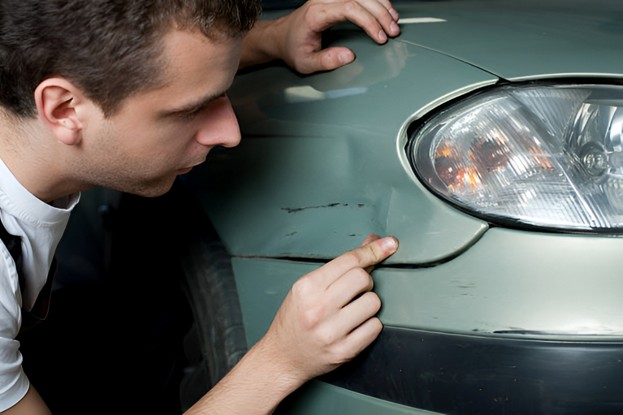
A private sale can offer good value, but it also carries more risk than buying from a licensed dealer. Hidden finance, wound back odometers, stolen vehicles and online scams all catch buyers out. At PPSR Asset Check, we help Australians check a vehicle before they pay. This guide highlights the key red flags to watch for and the steps that protect your money.
Key Takeaways
- Private sales offer far fewer legal protections than dealer sales.
- A price that looks too good to be true usually is.
- Always confirm the seller owns the car and the VIN matches.
- Never pay a deposit before inspecting the vehicle.
- Run a PPSR check on the day you buy.
Why Private Sales Need Extra Care
When you buy from a licensed dealer, you usually have statutory protections. Private sales are different. Most of the responsibility sits with you, the buyer.
As a fact sheet from the Marrickville Legal Centre explains, private car sales follow the principle of buyer beware. Australian Consumer Law offers very limited protection, and in NSW, Fair Trading and NCAT cannot assist with private sale disputes.
Faults are also common. Research by the Consumer Policy Research Centre found that 54 per cent of Victorians who bought a car in the previous five years reported a fault, and 59 per cent of those faults appeared within the first year.
That is why spotting warning signs early matters so much.
Red Flag 1: The Price Is Far Below Market Value
A bargain can be tempting, but a price well under market value often signals a problem. The car may be stolen, carry finance, have serious faults or not exist at all.
In one case reported by Region Riverina, a Griffith man saw a LandCruiser listed for about $15,000 below typical market value. He paid a $1,000 deposit without seeing the vehicle, and the seller stopped responding.
Before you get excited, compare the price with similar models of the same age, kilometres and condition.
Red Flag 2: The Seller Is Not the Registered Owner
The name on the registration papers should match the seller’s identification. If it does not, ask why.
Be cautious if the seller:
- Says they are selling for a friend or relative
- Cannot show a driver licence that matches the paperwork
- Wants to meet in a car park instead of at their home
- Has several cars for sale at once
- Gives vague answers about where the car came from
Several cars for sale from one person may point to an unlicensed dealer posing as a private seller.
Registration alone may not tell the full story. YourLifeChoices, republishing an ABC News report, described how a Tasmanian woman lost about $10,000 after buying a van on Facebook Marketplace that was owned by a rental company. A registration check came back clear because the van was registered in the seller’s name.
Red Flag 3: Pressure to Pay Quickly or Upfront
Scammers rely on urgency. They may claim another buyer is interested or that they are moving overseas soon.
Warning signs include:
- Requests for a deposit before you inspect the car
- Insistence on bank transfers to an account in another name
- Refusal to let you take a test drive
- Offers to deliver the car after payment
- Pressure to skip a mechanical inspection
Online marketplaces attract many of these tactics. The Port Macquarie News reported claims that about 17 per cent of Marketplace users have been targeted by scammers, and that experts recommend never paying before seeing the item.
Scammers also target sellers. The Illawarra Mercury reported on a man who used Facebook Marketplace to buy cars with transfers that never cleared, then tried to resell them below market value.
Red Flag 4: The Odometer Does Not Add Up
Odometer tampering lowers the kilometres shown on the dash so the car seems newer than it is. It remains a real problem in Australia.
NSW Government figures show that Fair Trading investigators uncovered odometer tampering on 10 cars, with a combined 2 million kilometres wound back. Consumers were compensated more than $125,000.
Fair Trading NSW and police raided Sydney car yards accused of winding back odometers on at least 100 imported vehicles.
The penalties are serious. According to research, knowingly selling a car with an altered odometer can be treated as fraud in NSW, carrying a maximum penalty of 10 years’ imprisonment.
Look for signs of tampering, such as:
- Worn seats, pedals or steering wheel on a low kilometre car
- Service records with gaps or inconsistent readings
- Scratches around the instrument cluster
- A logbook that is missing or looks too new
Red Flag 5: VIN Problems
The Vehicle Identification Number links the car to its records. It should be the same on the compliance plate, windscreen, body and registration papers.
Walk away if you notice:
- VINs that do not match across the car and paperwork
- Scratched, loose or replaced VIN plates
- A seller who refuses to share the VIN before you visit
At PPSR Asset Check, VIN vs rego check explains why a VIN search gives a more reliable result than a registration number alone.
Red Flag 6: Missing Paperwork or Service History
A well maintained car usually comes with records. Missing paperwork does not always mean fraud, but it raises questions.
Ask to see:
- Current registration papers in the seller’s name
- Service history with dates and kilometres
- Receipts for major repairs
- A roadworthy or safety certificate, where your state requires one
- Proof of ownership, such as the original purchase receipt
Red Flag 7: Hidden Finance or Write Off History
A car may look perfect yet still carry money owing, a stolen status or a write off record. These issues are not visible during an inspection.
If finance is still registered against the vehicle, the lender may be able to repossess it. A PPSR certificate can reveal registered finance, stolen status and write off records.
Steps to Protect Yourself
- Research the market value before you inspect
- Meet the seller at their registered address
- Inspect the car in daylight and take a test drive
- Arrange an independent mechanical inspection
- Check that the VINs match everywhere
- Run a PPSR check on the day you pay
- Get a written receipt with full details
Conclusion
Buying privately can save you money, but only when you know what to look for. Watch for unrealistic prices, sellers who are not the owner, pressure to pay, odometer issues, VIN problems and missing records. A quick check before you pay can prevent costly mistakes. For fast vehicle searches or help reading your report, contact us today.
FAQs:
What should I check when buying a used car privately?
Check the VIN, registration, service history, seller identity, mechanical condition and run a PPSR search before paying.
How can I tell if a used car is stolen?
Compare VINs on the car and papers, watch for tampering and run a PPSR check for stolen status.
How do I know if a car’s odometer has been tampered with?
Compare wear with the kilometres shown, check service records for consistent readings and look for dash tampering.
Is it safe to pay a deposit on a car before seeing it?
No. Paying before inspecting the car is a common scam tactic. Inspect the vehicle and confirm ownership first.
Do private car sales come with a warranty?
Usually not. Private sales offer limited legal protection, so careful checks and inspections are essential before buying.
What documents should a private seller provide?
Ask for registration papers, service history, repair receipts, proof of ownership and any required safety certificate.