Can a Car With Finance Owing Be Sold? What Buyers Need to Know
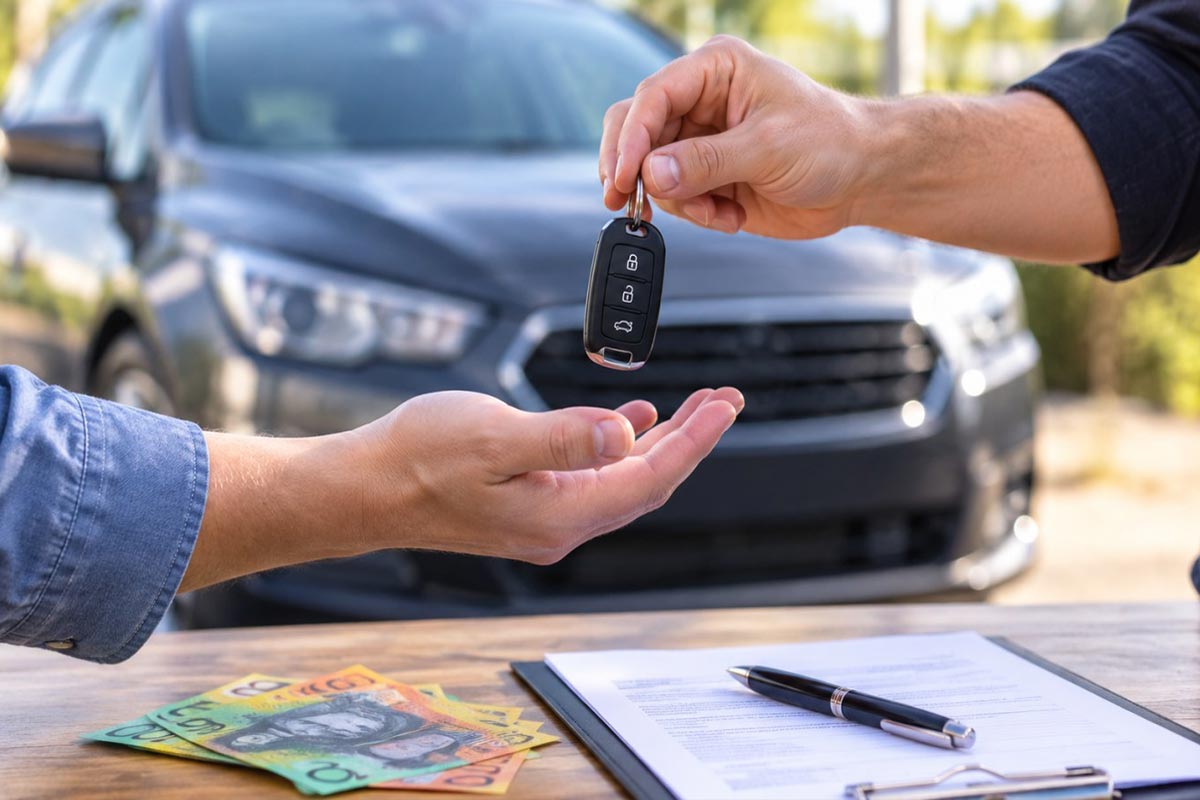
Spotting a For Sale sign does not tell you whether the car behind it is fully paid off. PPSR Asset Check explains whether an encumbered vehicle can legally change hands, and exactly what protections buyers actually have.
Key Takeaways
- Yes, a car with finance owing can be sold, provided the debt is properly handled.
- Sellers are expected to disclose finance, though enforcement varies by state.
- Private sellers carry the same clear title guarantee as dealers, but it is far harder to enforce.
- A PPSR search taken right before settlement gives buyers genuine legal protection.
- Both dealers and private sellers must legally guarantee a car has no undisclosed security interests.
So, Can It Actually Be Sold?
Yes. Selling a car that still has finance owing is legal in Australia, and it happens constantly. Most car loans run for three to seven years, while people change cars far more often than that, so a large share of used vehicles on the market carry some form of registered interest. The sale itself is not the problem. What matters is how the outstanding debt gets handled during the transaction.
An ACCC report on second hand car sales recorded more than 14,000 consumer reports about second hand cars in a single financial year, and confirms that both dealers and private sellers carry a legal guarantee that a vehicle has clear title, undisturbed possession, and no undisclosed security interests. That guarantee exists either way. The practical difference is how easily it can be enforced, which is exactly the gap a PPSR search is designed to close.
What ‘Encumbered’ Actually Means for a Sale
When a car has finance owing, the lender holds a registered security interest over that specific vehicle. Selling it does not remove that interest automatically. Unless the debt is cleared, or the buyer takes over payments with the lender’s agreement, the security interest simply follows the car to its new owner.
- The seller can request a payout figure from their lender at any time.
- Buyer funds can be paid directly to the lender to clear the debt at settlement.
- Only once the lender confirms discharge does the vehicle become truly clear title.
Do Sellers Have to Disclose It?
This is where things get less black and white. Guidance from Justice Connect’s Homeless Law practice resource confirms that a vehicle purchase generally falls within the definition of a consumer transaction under the Australian Consumer Law, regardless of price. That matters because it brings the sale within reach of misleading conduct protections, even in a private sale.
Practically speaking, though, enforcement against an individual private seller who stays quiet is difficult. A legal explainer from Go To Court Lawyers notes that consumer law protections apply far more strongly when a licensed dealer is involved than when two private individuals transact directly. This is precisely why buyers cannot simply rely on a seller’s word.
Dealers Face a Higher Bar
Licensed motor dealers operate under stricter rules. A guide from Sprintlaw outlines that dealers must check title and encumbrances on every vehicle they acquire, and are generally required to deliver clear title to a buyer. In practice, delays still happen. The Australian Automotive Dealer Association has raised concerns that finance companies and auction houses are sometimes slow to remove satisfied security interests from the register, even after a loan has been paid out in full, which can leave a paid off car showing as encumbered for weeks.
- Dealer Sale: stronger legal guarantee of clear title before delivery.
- Private Sale: buyer carries most of the responsibility to check and confirm.
- Either Way: a fresh PPSR search close to settlement remains essential.
The Legal Mechanism That Actually Protects Buyers
There is a specific legal rule behind why timing your PPSR search matters so much. A specialist explainer sets out the ‘taking free’ rule under the Personal Property Securities Act: broadly, a buyer who searches the register immediately before settlement and finds nothing registered can, in certain circumstances, take the vehicle free of an undisclosed interest.
The policy reasoning behind this dates back to the earliest days of the Act. A 2002 paper in the Bond Law Review by Wappett and Krasnostein examined how these reforms were intended to balance lender security against the practical needs of everyday buyers. A Law Council of Australia submission to the statutory review later examined how well these taking free provisions actually function in practice, flagging areas where timing and registration accuracy still catch consumers out.
A Safer Way to Buy an Encumbered Car
- Ask directly whether finance is owing, and request a written payout figure.
- Run a PPSR search yourself using the VIN, not the seller’s word alone.
- Arrange for settlement funds to go straight to the lender where possible.
- Search the PPSR again right before or at settlement to confirm the position.
At PPSR Asset Check, PPSR Car Check service gives you that certainty quickly, returning a clear result you can act on before any money changes hands. Comparison sites echo the same advice: Buying an encumbered car is not inherently risky, provided the finance is settled before ownership transfers, while being upfront about an encumbrance rarely puts genuine buyers off, as long as the numbers are handled properly.
If Things Go Wrong Anyway
Occasionally a buyer discovers finance owing only after the sale has gone through. If that happens, the National Debt Helpline offers free, independent financial counselling and can help you understand your options, including how to approach the lender and negotiate a resolution before matters escalate.
Conclusion
A car with finance owing can absolutely be sold, and there is nothing inherently wrong with buying one, provided the debt is confirmed and cleared as part of the deal. The risk sits entirely in skipping that confirmation step. Get in touch with us before your next purchase, and we will help you buy with genuine confidence.
FAQs:
Is it legal to sell a car with finance owing in Australia?
Yes, it is legal, provided the outstanding debt is disclosed and properly settled as part of the sale.
Do private sellers have to tell me about outstanding finance?
They generally should under consumer law, but enforcement is limited, so buyers must verify independently via PPSR.
What happens if I buy a car and later find out finance was owing?
The lender may still hold repossession rights, so seek advice quickly from a financial counsellor or lawyer.
Is buying an encumbered car from a dealer safer than privately?
Generally yes, since licensed dealers are required to provide clear title before delivering the vehicle.
How close to settlement should I run my PPSR search?
As close as possible, ideally on the day of settlement, since registered interests can change at any time.
Can a car still show as encumbered after the loan is fully paid off?
Yes, discharge delays are common, so always request written confirmation directly from the lender.