How to Check If a Used Car Has Finance Owing in Australia
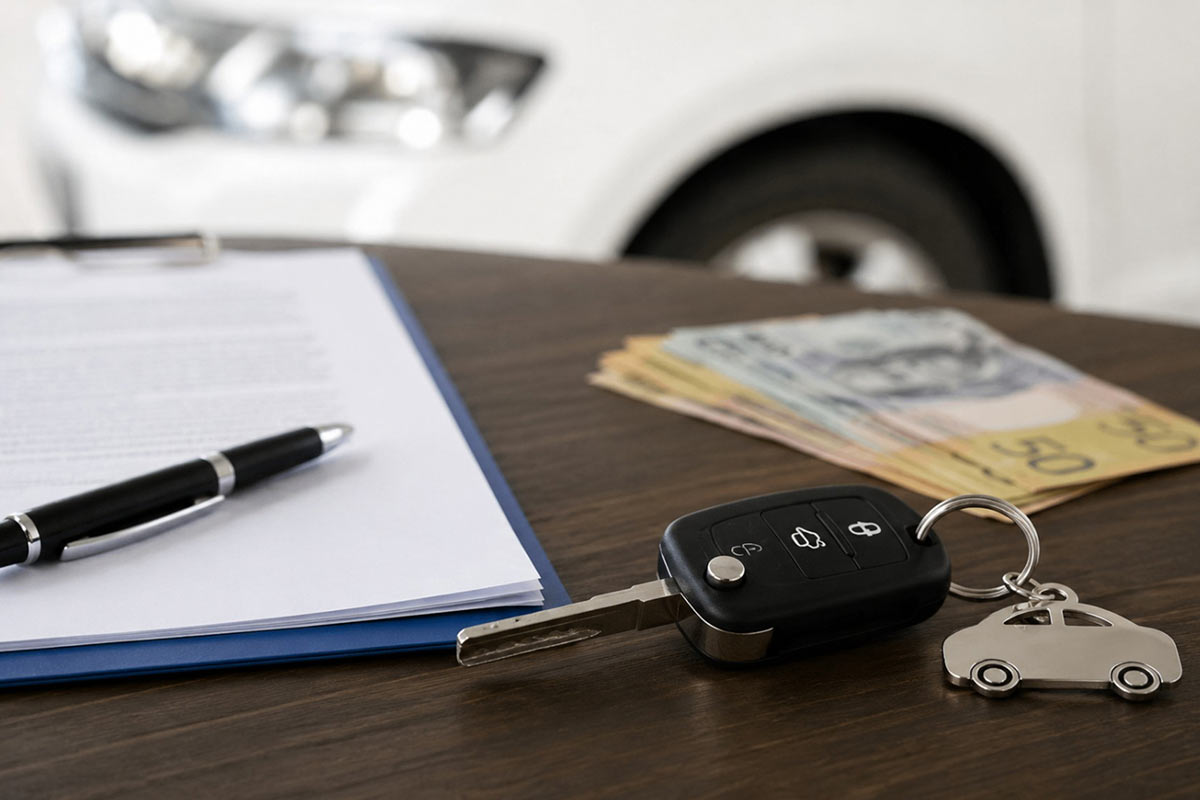
Private sellers rarely mention it, and dealers do not always volunteer it either: a used car can still have money owing on it, and that debt does not disappear when ownership changes hands. PPSR Asset Check walks through exactly how to check, what the results mean, and what happens if you skip this step.
Key Takeaways
- Finance owing means a lender still has a legal claim over the vehicle, not the seller personally.
- Private sellers are not legally required to disclose outstanding finance.
- A PPSR search using the VIN is the only reliable way to confirm this before buying.
- Roughly nine in ten repossessed vehicles still leave the borrower owing money afterwards.
- Buying from a licensed dealer offers stronger protection than a private sale.
What ‘Finance Owing’ Actually Means
When someone borrows money to buy a car, the lender usually registers a security interest against that vehicle. This gives the lender a legal claim, meaning they can repossess the car if repayments stop, regardless of who owns it at the time. The debt is tied to the asset itself, not to the original borrower.
This is where private sales become risky. Under Australian law, a seller does not have to mention outstanding finance unless directly asked, and even then, honesty is not guaranteed. Buyers are left to protect themselves, which is exactly why checking before you pay matters so much.
Why This Catches So Many Buyers Off Guard
The scale of the problem is larger than most people assume. A recent ASIC review of the car finance sector, examining more than 350,000 loans across eight major lenders, found that in cases where a vehicle was repossessed and sold, roughly ninety per cent of borrowers still owed money afterwards. That is not a rare, unlucky outcome. It is closer to the norm.
Coverage of the same findings by Port Macquarie News detailed one case where a borrower’s loan balance grew to 114 per cent of the original amount after their vehicle was sold, a reminder that repossession rarely resolves the debt cleanly. RAC WA separately notes that around ninety per cent of car sales in Australia involve finance in some form, which puts private buyers in contact with encumbered vehicles far more often than most expect.
How to Actually Check
The process itself is straightforward, provided you use the right source and the right timing.
- Get the full 17 character VIN from the dashboard, door frame or paperwork.
- Run a search through the official PPSR using that VIN, not the number plate.
- Read the certificate carefully for any listed security interest or financier.
- Search again close to settlement day, since interests can change right up to sale.
At PPSR Asset Check, PPSR Car Check service runs this exact search for you and returns a clear, easy to read result. Understand the process in more depth first to know how PPSR protects buyers from repossession and fraud.
What the Certificate Is Actually Telling You
A registered security interest on a PPSR certificate means a financier has recorded a claim against that specific vehicle. It does not always mean the seller is dishonest. Sometimes the loan is genuinely close to being paid out, or the seller intends to clear it with your payment. What matters is that you know before money changes hands, not after.
Legally, this outcome traces back to a principle lawyers call nemo dat quod non habet, meaning a seller cannot pass on a better title than they actually hold. A 2011 paper in the Australian Business Law Review examined exactly how the Personal Property Securities Act reshaped the exceptions to that rule for buyers, which is part of why a properly timed PPSR search offers real legal protection, not just peace of mind.
For the enforcement side, a paper in the Australian and New Zealand Maritime Law Journal sets out how secured parties enforce their interests once a default occurs, reinforcing that a lender’s rights under the Act are not merely theoretical.
If the Search Comes Back with Finance Owing
Finding a security interest is not necessarily a dead end, but it does change how you should proceed.
- Ask the seller directly and request written confirmation from the financier.
- Consider paying the outstanding balance straight to the lender at settlement.
- Search the PPSR again once you have confirmation the interest was removed.
- Walk away if the seller cannot or will not provide clear answers.
If you already own a car and discover, too late, that it was encumbered, Financial Rights Legal Centre publishes a clear factsheet on the repossession process and your options. If a lender is not acting fairly, the Australian Financial Complaints Authority offers a free, independent dispute process, and lodging a complaint pauses further action while it is reviewed.
What Happens if a Car Actually Gets Repossessed
Repossession is a formal, regulated process, not something that happens without warning. Specialist recovery firms operate under strict legal guidelines when recovering vehicles, and lenders must generally follow default notice periods before taking that step. Understanding this process helps explain why acting early, well before a default notice arrives, gives everyone involved far more options.
It is also worth remembering that even a straightforward purchase deserves a documented check. Canstar recommends a PPSR search even on near new demonstrator vehicles, since finance can attach to stock before it ever reaches a customer. A full background check as essential, not optional, whenever a used vehicle changes hands.
Conclusion
Checking for finance owing takes a few minutes and costs very little, yet it is the single step that stands between a smooth purchase and a genuinely expensive mistake. If you are about to buy and want the process handled properly, contact us and we will help you get a clear answer before you commit to anything.
FAQs:
Can a seller legally hide finance owing on a car?
Private sellers are not required to disclose it, which is why buyers must run their own PPSR search beforehand.
What happens if I unknowingly buy a car with finance owing?
The lender can still repossess the vehicle, even though you paid the seller in full and acted in good faith.
How do I check if a used car has finance owing?
Search the vehicle’s VIN through the official PPSR to confirm whether any security interest is registered.
Is buying from a dealer safer than a private sale?
Generally yes, since licensed dealers must provide clear title, offering stronger legal protection than private sales.
Can I still buy a car that shows finance owing?
Yes, provided the debt is cleared at settlement and confirmed in writing before final payment is made.
What should I do if my car gets repossessed and I still owe money?
Contact a financial counsellor or lodge a free complaint with the Australian Financial Complaints Authority promptly.