What Happens if You Buy a Car With Money Owing on It?
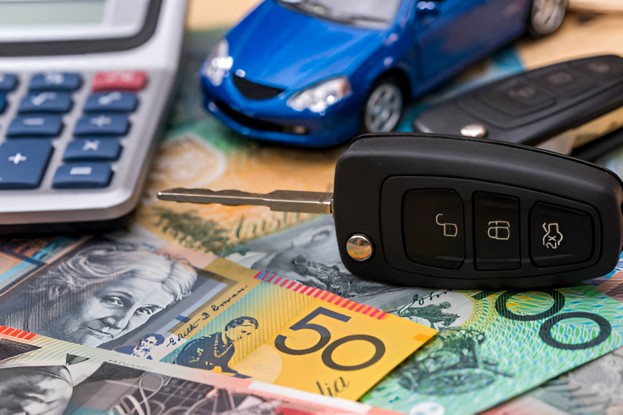
Paying for a car in full does not automatically make it yours, not if someone else still owes money against it. PPSR Asset Check breaks down exactly what happens next, and what you can actually do about it.
Key Takeaways
- A lender can repossess a car even after the buyer paid the seller in full.
- Your legal position depends heavily on whether you bought from a dealer or privately.
- Repossession does not erase the debt if the sale price falls short of what is owed.
- Consumer guarantee laws give dealer buyers a remedy that private buyers usually lack.
- Acting quickly, before repossession happens, gives you far more options.
The Short Answer
If you buy a car that still has money owing on it, the lender’s claim generally survives the sale. That means the finance company can repossess the vehicle from you, the new owner, even though you paid the seller in good faith and have never missed a payment yourself. It sounds unfair, and in a very real sense it is, but it is also how secured lending law works across the country.
A Queensland Government consumer rights page gives the exact scenario in plain terms: a consumer buys a car from a dealer, the dealer had previously mortgaged that car, the dealer defaults, and the bank repossesses the car from the consumer. The buyer is left without the vehicle, though they do keep a right to a remedy from the dealer in that case.
Why This Is Even Legal
The underlying principle is simple, if frustrating. A seller cannot pass on a better right to property than they actually hold. If a lender’s security interest is still active when the sale happens, that interest generally travels with the car. This concept, sometimes explained through the nemo dat rule, was reshaped by Australia’s national secured lending reforms. A 2011 article in the Melbourne University Law Review examined how the new consumer guarantee laws interact with these older property principles, and why buyers were given specific statutory protections rather than being left to general contract law alone.
A more recent peer reviewed study on the territorial scope of Australia’s consumer guarantee provisions looked at how far these guarantees extend and how they are enforced, underlining that the protection exists in law, but relies on the buyer actually knowing it exists and acting on it.
It Happens More Often Than People Assume
This is not a rare, unlucky edge case. A recent report covered by The Senior detailed cases where borrowers were left owing tens of thousands of dollars after their vehicles were repossessed and sold, sometimes for less than the outstanding loan balance. The findings came from a regulator review of hundreds of thousands of car loans, and while that particular data set focused on original borrowers rather than later buyers, it shows just how commonly repossession ends in a shortfall rather than a clean resolution.
Separately, industry reporting summarised by Financial Services Online pointed to a noticeable rise in vehicle repossessions handled through auction houses over recent months, driven partly by cost of living pressures. More repossessions in the system generally means more previously encumbered vehicles quietly changing hands before anyone catches the problem.
Your Rights Depend on Who You Bought From
This is the part many buyers get wrong. Protections are not uniform.
- Licensed Dealer: Must guarantee clear title, giving you a remedy if that guarantee is broken.
- Private Seller: Still owes a guarantee of clear title under law, but enforcement is far weaker.
- Auction House: Similar limited guarantees apply, though practical recovery can be difficult.
A legal explainer notes that regulators can pursue enforcement action on a consumer’s behalf when a supplier fails to meet these guarantee obligations, which is a real avenue against dealers, but rarely a practical one against a private individual who has simply disappeared.
A separate piece makes the comparison plainly: dealer purchases come with statutory backing, while private sales leave buyers largely responsible for their own due diligence. That gap is exactly why a PPSR search matters more in a private sale than almost anywhere else.
If It Has Already Happened to You
If a car you bought is repossessed, or you discover a security interest after the fact, a few steps genuinely help.
- Contact the lender immediately and request written details of the security interest.
- Keep every record of your purchase, including messages, receipts, and bank transfers.
- Seek advice early rather than waiting for a repossession notice to arrive.
A practical walkthrough from Financial First Aid outlines what a repossession notice actually looks like and what options remain once one arrives, including hardship requests and, in some cases, negotiating directly with the lender before the vehicle is taken.
It is also worth understanding the credit impact. A default can remain on your credit report for five years, even once paid, though a settled debt and a clean repayment history elsewhere can soften its impact over time.
The Best Time to Act Is Before You Buy
None of this is meant to scare you off buying a used car. It is meant to explain why a proper check, done at the right time, matters so much. PPSR Car Check confirms whether a vehicle has a registered security interest before you commit any money.
If you want a real world sense of how straightforward the check itself is, a regional news explainer from The Standard walks through the two dollar government search step by step, which is genuinely all it takes to avoid most of what this article describes.
Conclusion
Buying a car with money owing on it can cost you the vehicle, your money, or both, and the legal remedies available afterward depend heavily on who you bought from. A quick search before you pay avoids nearly all of it. Contact us if you would like a hand running that check before your next purchase.
FAQs:
Can a bank take a car I bought and paid for in full?
Yes, if a security interest was registered before your purchase and the debt was never cleared.
Do I get my money back if my car is repossessed?
Not automatically. You would need to pursue the seller directly, which can be difficult if they cannot be found.
Is buying from a dealer safer than a private seller?
Generally yes, since dealers must guarantee clear title and face regulatory consequences for failing to do so.
How do I know if a car has money owing before I buy it?
Run a PPSR search using the vehicle’s VIN, ideally as close to settlement as possible.
Will a repossession affect my credit report if it wasn’t my loan?
No, the default is recorded against the original borrower’s credit file, not the buyer’s.
What should I do if I already bought a car and now worry about finance owing?
Run a PPSR search immediately and contact any listed financier to confirm the vehicle’s status.